The Legacy Repository Discovery Checklist
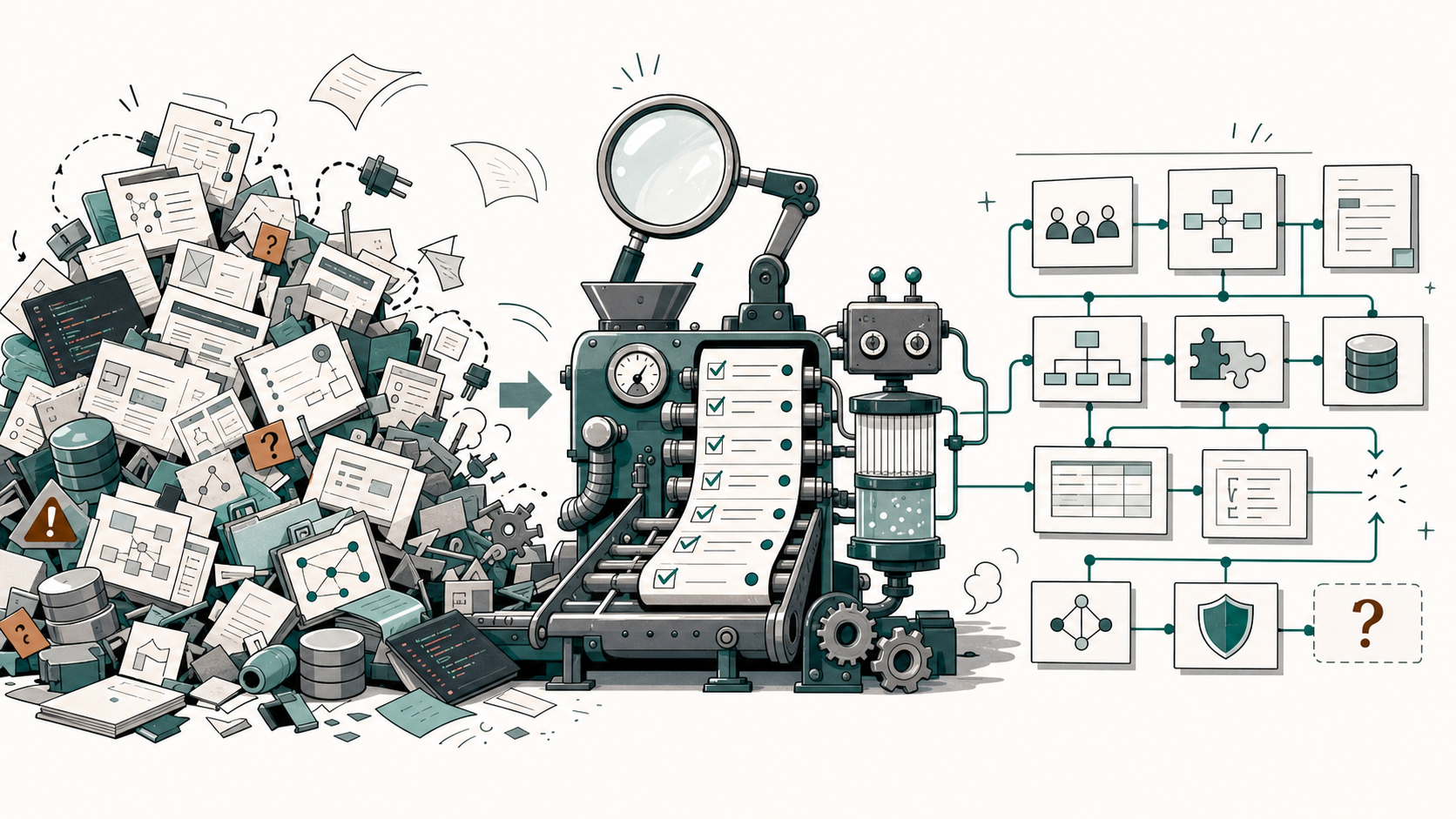
A copy-paste checklist for legacy repository discovery: what to inspect, what to record, how to score confidence, and what review artifact to produce before modernization starts.
Read post arrow_forwardWe publish lessons learned from building production apps, shipping features under real constraints, and helping teams move faster with confidence.

A copy-paste checklist for legacy repository discovery: what to inspect, what to record, how to score confidence, and what review artifact to produce before modernization starts.
Read post arrow_forward
When the people who understood a legacy system are gone, the repository becomes the last surviving specification. Before refactoring or rewriting, teams need to recover the product model: roles, flows, integrations, constraints, risks, evidence, confidence, and unknowns.
Read post arrow_forward
An AI assistant can write a Flutter or .NET MAUI feature in minutes, but you still own it. A practical checklist for developers: write tests from requirements, run the local gate, treat generated code as untrusted, and leave evidence before you push.
Read post arrow_forward
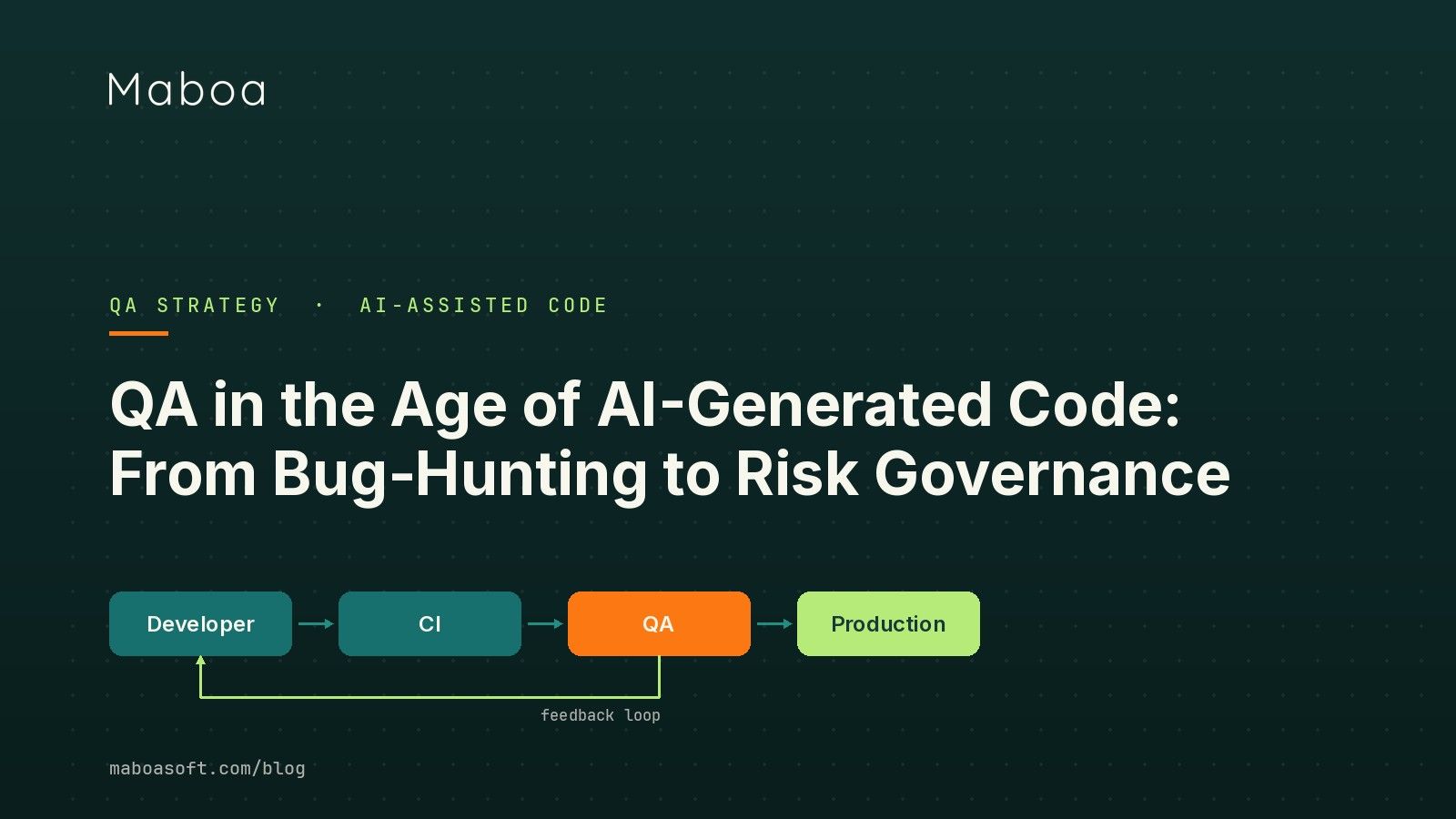
AI shifts QA from finding bugs to governing risk. For mobile teams shipping AI-assisted code, QA owns behaviour across devices, the evaluation of AI features in production, and the evidence that satisfies an audit.
Read post arrow_forward
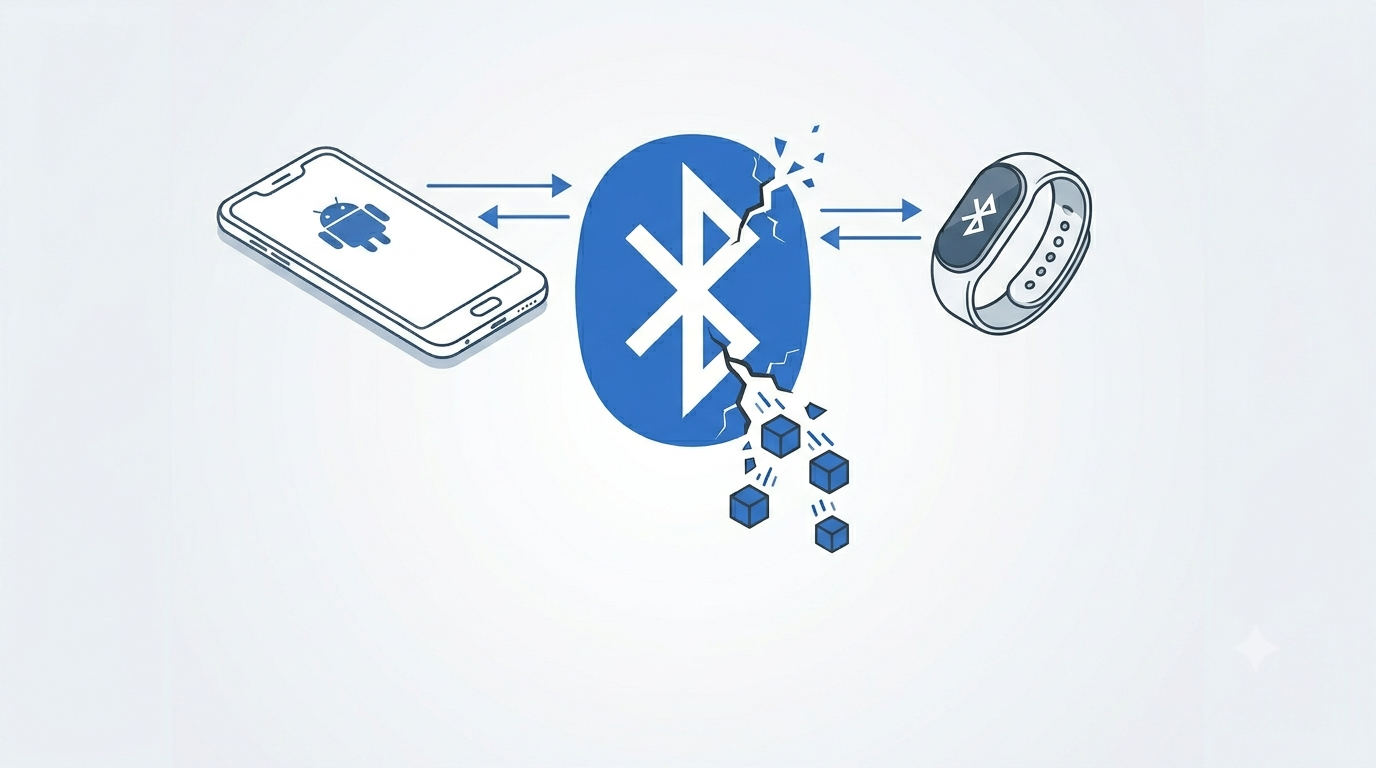
Many BLE products rely on hidden mobile app protocols for security. Android Bluetooth HCI logs and Wireshark can reveal BLE communication patterns quickly — and that changes how mobile teams should think about BLE app design, testing, and security handoff.
Read post arrow_forward
Part 3 of our GenUI series. The reality check: where the hype overshoots, why mobile raises the stakes, and why GenUI only pays off on clean, modernized code — not a tangled legacy app.
Read post arrow_forward